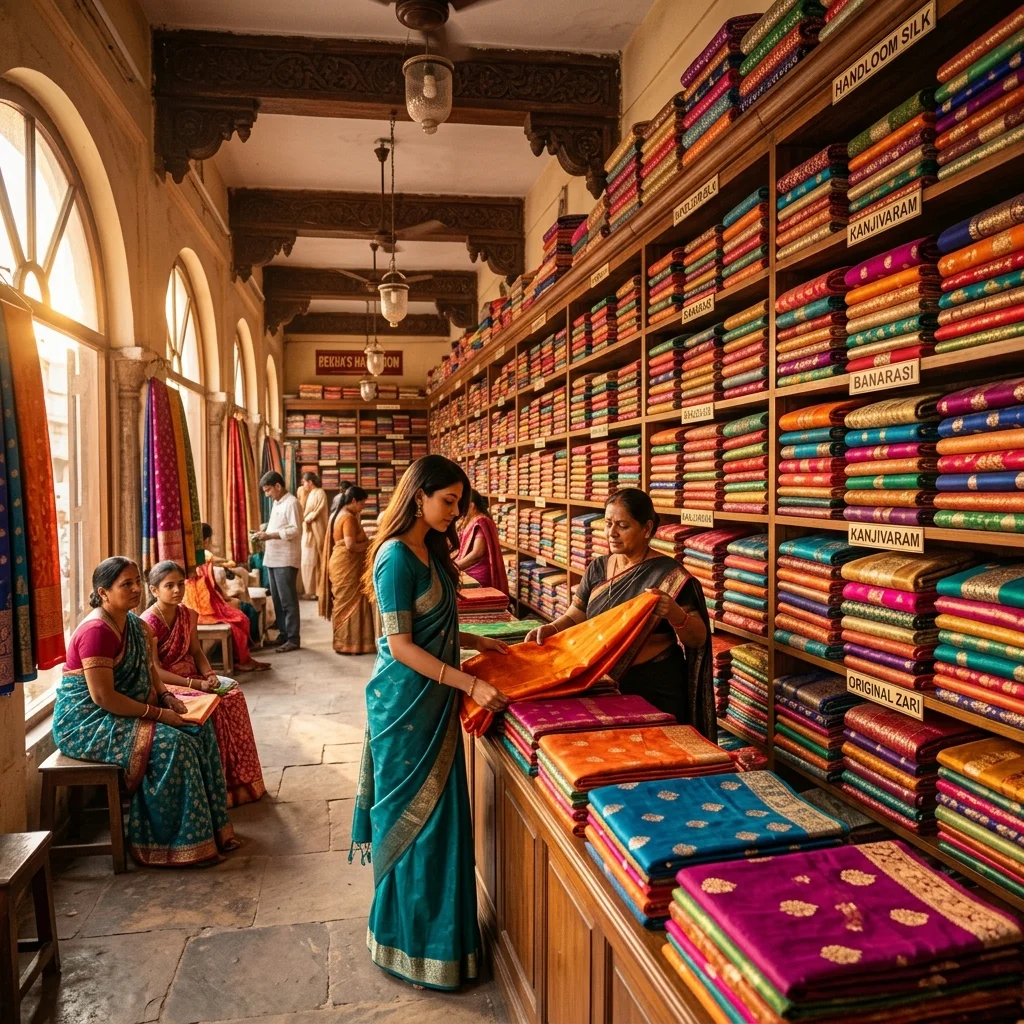
If you are currently browsing online or visiting handloom boutiques in search of a Sambalpuri drape, you have likely encountered a highly confusing market. On one website, you might find a "Sambalpuri saree" listed for an incredibly low price that feels like a bargain. On another platform, an authentic Sambalpuri silk saree might command a price that makes it a serious investment piece.
This dramatic variance often leaves buyers wondering: What is the actual price of an original Sambalpuri saree?
The truth is that there is no single, fixed price for a genuine Odisha handloom. Because these textiles are created by human hands rather than standardized factory machines, their value is determined by a complex matrix of materials, weaving techniques, artisan skill, and time. Furthermore, the textile market is unfortunately flooded with cheap powerloom imitations that artificially skew a buyer's understanding of what authentic handloom should cost.
This guide is designed to help you navigate the pricing landscape of Sambalpuri sarees. Rather than giving you an invented, arbitrary price range, we will break down exactly what factors into the cost of these magnificent weaves. By understanding the economics behind the loom, you will be able to make an informed, confident purchase—whether you are looking for a comfortable cotton drape for the office or a magnificent silk masterpiece for a wedding.
1. The Core Factors: What Determines the Price of a Sambalpuri Saree?
When you purchase a handwoven Sambalpuri saree, you are paying for much more than just six yards of fabric. You are paying for the raw materials, the dyes, and the immense human labor required to prepare and weave the cloth.
If you compare two authentic Sambalpuri sarees side by side, their price difference usually comes down to the following specific factors:
Fabric: Cotton vs. Silk
The most immediate determinant of price is the base material. Pure mulberry silk is a globally traded, highly prized commodity that is inherently expensive to source. Therefore, a pure Sambalpuri silk saree will generally sit in a significantly higher price bracket than a pure Sambalpuri cotton saree of equivalent design complexity.
Yarn Count and Quality
Within both cotton and silk categories, the fineness of the yarn (the yarn count) plays a massive role. A saree woven with exceptionally fine, high-count cotton yarn will feel softer, drape more elegantly, and require more weaving time than a saree woven with thicker, coarser yarn. Finer yarn requires a higher level of dexterity and concentration from the weaver, which is naturally reflected in the final cost.
The Complexity of the Bandha (Ikat)
The defining characteristic of a Sambalpuri saree is the Bandha kala, or tie-and-dye Ikat technique. In this process, the yarn is tied to resist dye and dipped into colors before being woven.
If a saree features a very simple, repetitive geometric Ikat pattern on the border, the tie-and-dye preparation is relatively straightforward. However, if the entire body of the saree features highly intricate, non-repetitive, pictorial motifs (such as large conch shells, lotuses, or detailed wheels), the mathematics required to tie the yarn correctly becomes exponentially more difficult. The more complex the Ikat design, the more expensive the saree.
The Number of Colours
Every distinct color you see in a Sambalpuri Ikat motif requires a separate tying and dyeing process. If a motif has three colors, the artisan must tie the yarn, dye the first color, dry it, untie it, tie a new section, dye the second color, dry it, and so on. A multi-colored Ikat saree requires vastly more manual labor in the preparation phase than a dual-tone saree, which directly impacts the price.
Motif Density and Weaving Time
How much of the saree is covered in intricate work? A saree with a plain body and a simple Ikat border might take a weaver only a few days to complete. In contrast, a heavily worked saree—where the body, borders, and a large pallu are densely packed with complex tie-and-dye motifs—can take a weaving family several weeks or even months to complete. The price of a Sambalpuri handloom saree must account for the artisan's wages over that entire duration.
Border and Pallu Architecture
Some high-end Sambalpuri sarees incorporate complex borders woven with contrasting warp threads, or heavily textured pallus. Creating distinct sections that require changes in the loom setup or the integration of supplementary threads requires significant expertise and time, elevating the overall value of the piece.
Master Artisan Skill
Just as a painting by a master artist commands a premium, a saree woven by a highly experienced master weaver will often cost more than one woven by an apprentice. Master weavers are capable of achieving incredibly tight, well-aligned Ikat patterns with beautiful drape and flawless finishing. Their expertise is a premium factor.
Certifications and Provenance
Sarees that carry official Government of India certifications, such as the Handloom Mark or the Silk Mark (which guarantees pure natural silk), often come with a slight premium. These certifications require the seller or cooperative society to maintain strict quality standards and administrative registration, which provides peace of mind to the buyer but adds to the operational cost.
2. Why Does a Sambalpuri Ikat Cost More Than Printed Copies?
One of the most common questions from new buyers is why a Sambalpuri saree price is so much higher than a printed saree that looks visually similar.
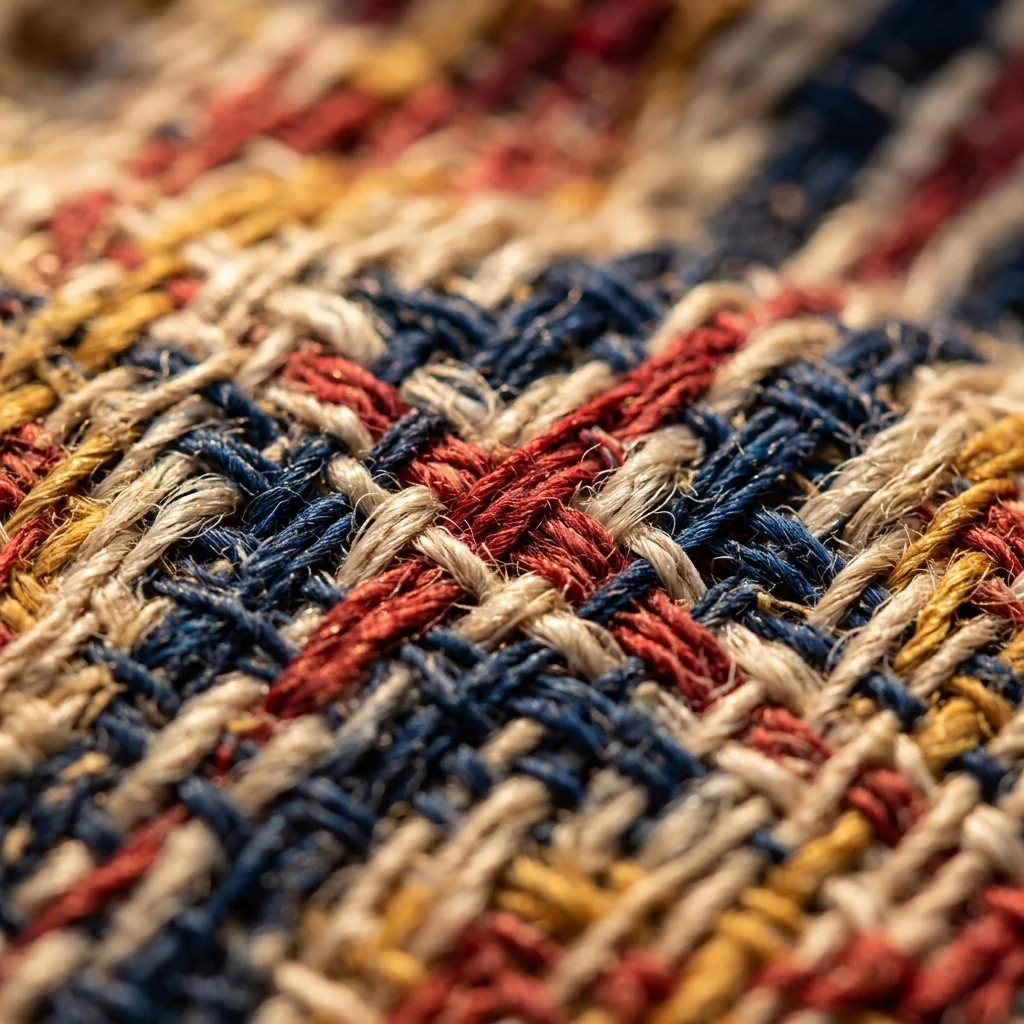
To understand this, you must understand the labor difference between a screen print and a handwoven Ikat.
When a factory produces a printed saree, they take a blank, mass-produced roll of fabric and run it through a digital printer or a screen-printing press. The entire design is stamped onto the surface of the cloth in a matter of minutes. The labor cost is minimal, the fabric is often a cheap synthetic blend, and thousands of identical copies can be produced in a single day.
When an artisan creates an authentic Sambalpuri saree, the design process happens before the weaving even begins. The artisan must visualize the final pattern, mathematically calculate where the colors need to fall, tightly bind specific sections of the yarn with rubber or leaves, and submerge the yarn in boiling dye. This grueling, highly skilled process is repeated for every color. Only when the yarn is completely prepared and dried does it finally go onto the wooden handloom, where it is woven thread by thread.
As detailed in our guide on How to Identify an Original Sambalpuri Saree, the easiest way to spot a fake Sambalpuri is to look for razor-sharp edges (real Ikat typically displays a slightly feathered or stepped edge) and a blank reverse side. When you buy an original Sambalpuri saree, the price is not just for the fabric; it is compensation for weeks of highly skilled human artistry.
3. Does a Higher Price Always Mean a Better Sambalpuri Saree?
While it is true that complex, high-quality Sambalpuri sarees require more labor and therefore cost more, you should not assume that a higher price tag automatically guarantees a "better" product.
Pricing in the retail textile market can be heavily influenced by factors that have nothing to do with the quality of the weave. For example:
- Middlemen and Margins: A saree sold in a high-end, air-conditioned boutique in a major metropolitan city will inevitably carry a heavy retail markup to cover the store's overhead. The exact same saree, purchased through a weaver-direct platform or a cooperative society, might cost significantly less while delivering the exact same quality.
- Brand Positioning: Some designer labels incorporate traditional Sambalpuri fabrics into their collections and price them as luxury fashion items.
Therefore, price should never be your only metric for quality. A smart buyer evaluates the price alongside the fabric (e.g., verifying pure silk with a Silk Mark), the complexity of the Ikat, the neatness of the weave, and the transparency of the seller regarding the saree's origins.
4. Why Are Some "Sambalpuri" Sarees Surprisingly Cheap?
If you come across a Sambalpuri saree price that seems astonishingly low, you should approach the purchase with a healthy degree of buyer caution. While a low price does not automatically prove an item is a fake, it usually indicates one of the following scenarios:
1. It is a Printed Imitation: The most common reason for a drastically cheap price is that the saree is not handwoven at all. It is a powerloom fabric (often synthetic art-silk or poly-cotton) with a Sambalpuri pattern digitally printed onto it.
2. It is a Powerloom Copy: Some factories use mechanized Jacquard looms to mass-produce fabrics that mimic traditional weaves. While these are woven rather than printed, they do not use the manual tie-and-dye Bandha technique and lack the breathability and unique texture of a true handloom.
3. It Uses Synthetic Blends: A seller might offer what looks like a heavy silk saree at a fraction of the cost by using "art silk" (artificial silk made from rayon or polyester) instead of pure mulberry silk.
4. It is a Very Simple Traditional Weave: Not all cheap handlooms are fakes! It is entirely possible to find a beautiful, genuine handwoven Sambalpuri cotton saree at a very reasonable price if the design is extremely simple. A plain cotton body with a minimal, single-color Ikat border requires vastly less weaving time than a heavy bridal piece, making it much more affordable.
5. Direct Sourcing / Clearance: Occasionally, you might find excellent prices if you are buying directly from a weaver at a rural haat (market) without middleman markups, or if a retailer is clearing out old inventory.
However, if a seller is offering a highly complex, multi-colored "pure silk" Sambalpuri saree with heavy motifs for an exceptionally low price, your instincts are correct to be skeptical. Authentic raw silk and weeks of artisan labor simply cannot be sold for the price of a mass-produced garment.
5. How to Compare Two Sambalpuri Sarees at Different Prices
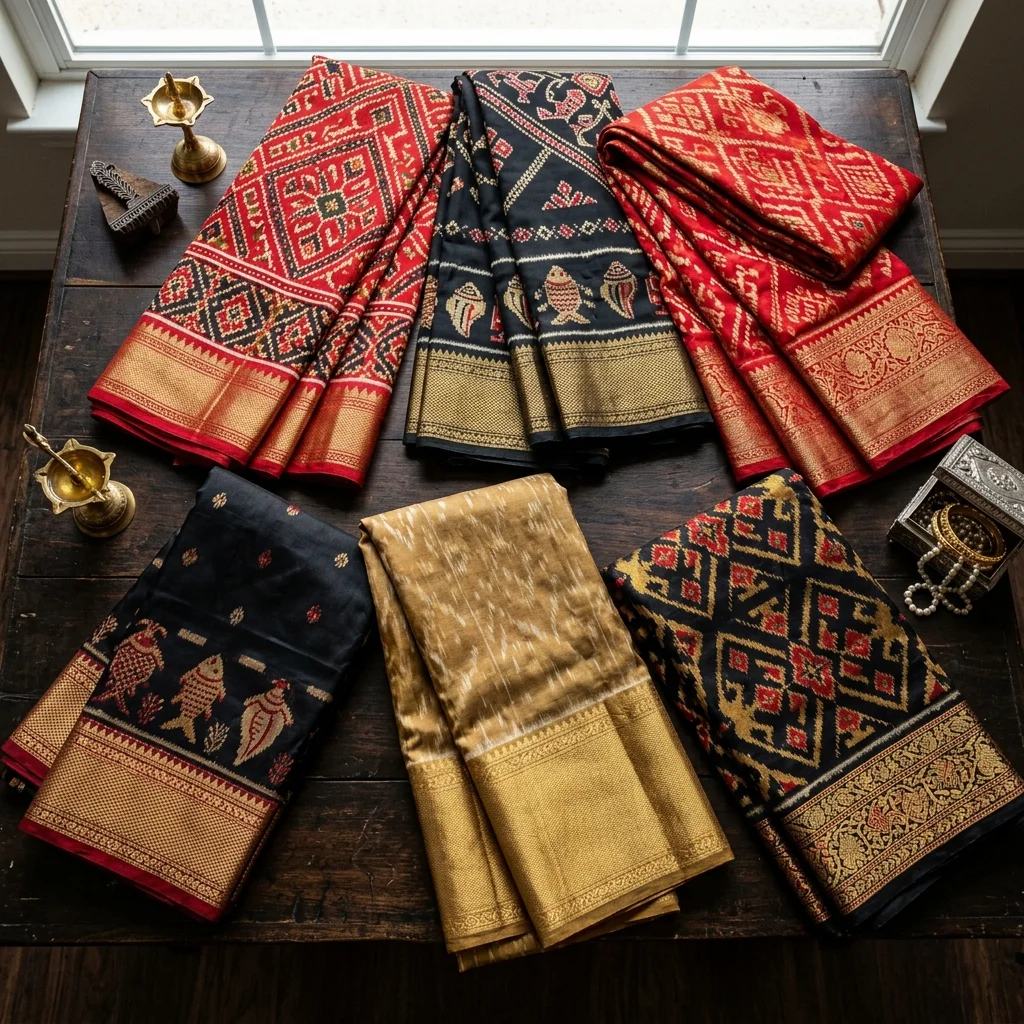
If you are trying to decide between two genuine handloom sarees that have a significant price difference, use this practical checklist to evaluate why one costs more:
- Examine the Base Material: Is one pure mulberry silk and the other a cotton-silk blend? Pure silk will always drive the price up.
- Count the Colors in the Motifs: Look closely at the tie-and-dye patterns. Does the cheaper saree use a simple two-color geometric border, while the more expensive one features intricate motifs woven with four distinct colors? The multi-colored Ikat requires immensely more labor.
- Assess Motif Density: How much of the saree features Bandha work? A saree with a completely plain body and only an Ikat border is naturally cheaper than a saree where the entire body is covered in tightly woven tie-and-dye checks or florals.
- Look at the Pallu: The pallu is often the most labor-intensive part of the drape. Compare the intricacy and size of the pallu designs.
- Feel the Yarn: Does the more expensive saree feel noticeably softer, lighter, and finer? Higher-count yarn costs more and requires a more delicate touch on the loom.
6. Questions to Ask a Seller Before Buying
A trustworthy seller who understands Odisha handlooms will be happy to discuss the details of their textiles. If you want to ensure you are paying a fair price, consider asking these questions:
- "Is the design woven using the Bandha (tie-and-dye) technique, or is it a machine print?"
- "What is the base material? Is it pure mulberry silk, pure cotton, or a blend?"
- "If it is pure silk, does it come with a Silk Mark tag?"
- "Which weaving cluster in Odisha did this piece come from (e.g., Bargarh, Sambalpur, Sonepur)?"
- "Is this woven on a traditional handloom or a mechanized powerloom?"
A seller who can confidently answer these questions, explain the origins of the drape, and provide certifications is generally offering a product that justifies its handloom pricing. A seller who gives vague answers or becomes defensive may be pushing powerloom imitations.
7. Sambalpuri Saree Price vs. Bomkai and Khandua
As you explore Odisha handlooms, you might notice that different regional styles carry different pricing structures.
For example, you might compare a Sambalpuri silk saree with a traditional Bomkai silk saree. As we detailed in our guide on Sambalpuri vs Bomkai Sarees, the two techniques are fundamentally different. Sambalpuri relies on pre-dyed Ikat yarn, while traditional Bomkai relies on extra-weft supplementary thread weaving on the loom.
A heavy Sonepuri Bomkai silk saree is often priced as a premium bridal garment because the weaver must manually insert supplementary threads row by row to create rich, raised, embroidery-like motifs on the pallu. The dense concentration of extra silk (and sometimes zari) in a Bomkai pallu adds physical weight and massive labor time, which can sometimes make a heavy Bomkai more expensive than a simpler Sambalpuri Ikat.
Similarly, Khandua silk sarees from Nuapatna, which also use the Bandha technique but are traditionally lighter and softer, might have a different pricing tier depending on the fineness of the silk and the presence of intricate Gita Govinda script woven into the fabric.
Understanding that different techniques require different types of labor helps explain why not all Odisha handlooms are priced identically.
8. Is an Expensive Sambalpuri Saree Worth It?
This is a highly subjective question, but from a purely practical buyer's perspective, an authentic Sambalpuri handloom saree is widely considered a worthy investment for several reasons.
First, longevity. A well-woven pure cotton or pure silk handloom saree is incredibly durable. Unlike synthetic, fast-fashion garments that lose their shape or whose prints fade quickly after a few washes, the deeply embedded dyes of an Ikat fabric remain vibrant. Many women find that a pure cotton Sambalpuri saree actually grows softer and more comfortable with age, eventually becoming a cherished heirloom passed down to the next generation.
Second, comfort. The breathability of a pure handwoven cotton drape in the intense Indian summer is unmatched by any synthetic powerloom fabric. The fabric allows air to circulate naturally, making it a highly practical choice for long hours at the office or attending lengthy festive ceremonies.
Finally, heritage preservation. When you pay the price for an original Sambalpuri handloom saree, you are directly participating in the survival of a centuries-old art form. You are financially supporting the rural master artisans whose mathematical brilliance and weaving skills are constantly threatened by the influx of cheap, mechanized factory goods.
Frequently Asked Questions
What is the price of an original Sambalpuri saree?
There is no single fixed price. The cost depends entirely on whether it is cotton or silk, the fineness of the yarn, the complexity of the tie-and-dye motifs, the number of colors used, and the sheer number of days it took the artisan to weave.
Why are Sambalpuri silk sarees expensive?
Sambalpuri silk sarees are expensive because they combine two high-cost elements: pure natural mulberry silk (an expensive raw material) and the highly labor-intensive Bandha (Ikat) technique, which requires the weaver to meticulously tie and dye the yarn before carefully aligning it on a traditional handloom.
Is Sambalpuri handloom expensive compared to powerloom?
Yes, a genuine handloom will almost always cost significantly more to produce than an equivalent powerloom fabric. Powerlooms are mechanized factories that can mass-produce identical fabrics in minutes using cheap synthetic yarns. Handlooms require intense human labor, precision, and time. When purchased through ethical, weaver-direct channels, this higher price ensures a fair wage for the artisan.
How can I know if the price is fair?
A fair price aligns with the complexity of the saree. A simple cotton Sambalpuri with minimal border work should be reasonably affordable, while a heavy pure silk bridal piece covered in dense, multi-colored Ikat motifs should command a premium. Verify the material (look for Silk Mark), check the Ikat edges (they should be slightly blurred, not razor-sharp prints), and ensure the seller is transparent about its origins.
Are cheap Sambalpuri sarees fake?
Not always, but extremely cheap prices on heavily designed "silk" sarees usually indicate a synthetic powerloom print. However, a genuinely simple, single-color authentic cotton handloom can be very affordable. Always assess the price relative to the complexity and material claimed.
What makes Sambalpuri Ikat expensive?
The Bandha kala (Ikat) technique is the main driver of cost. It is a slow, manual process where the yarn must be mathematically tied with bindings to resist dye, submerged in color, untied, and re-tied for every additional color before it can even be mounted on the loom for weaving.
Invest in Authenticity
Navigating the price of an original Sambalpuri saree does not have to be an intimidating experience. Once you understand that you are not just buying a piece of cloth, but rather investing in pure raw materials and the mathematical genius of Odisha's master weavers, the value of these beautiful textiles becomes crystal clear.
Explore The Collection