A genuine handloom silk saree is never just a garment—it is an heirloom investment, a wearable piece of art that takes master weavers weeks or months to create on a pit loom. Handcrafted from natural mulberry or tussar silk and adorned with delicate zari threads, these sarees can easily outlive their owners and be passed down to daughters and granddaughters for generations—provided they are cared for with the respect they deserve.
Improper storage in synthetic plastic covers, harsh chemical detergents, or neglecting to refold silk sarees along their creases can cause irreversible thread breakage and zari tarnishing. Follow this master guide curated by textile conservators and master weavers to keep your pure handloom sarees as radiant as the day they left the loom.
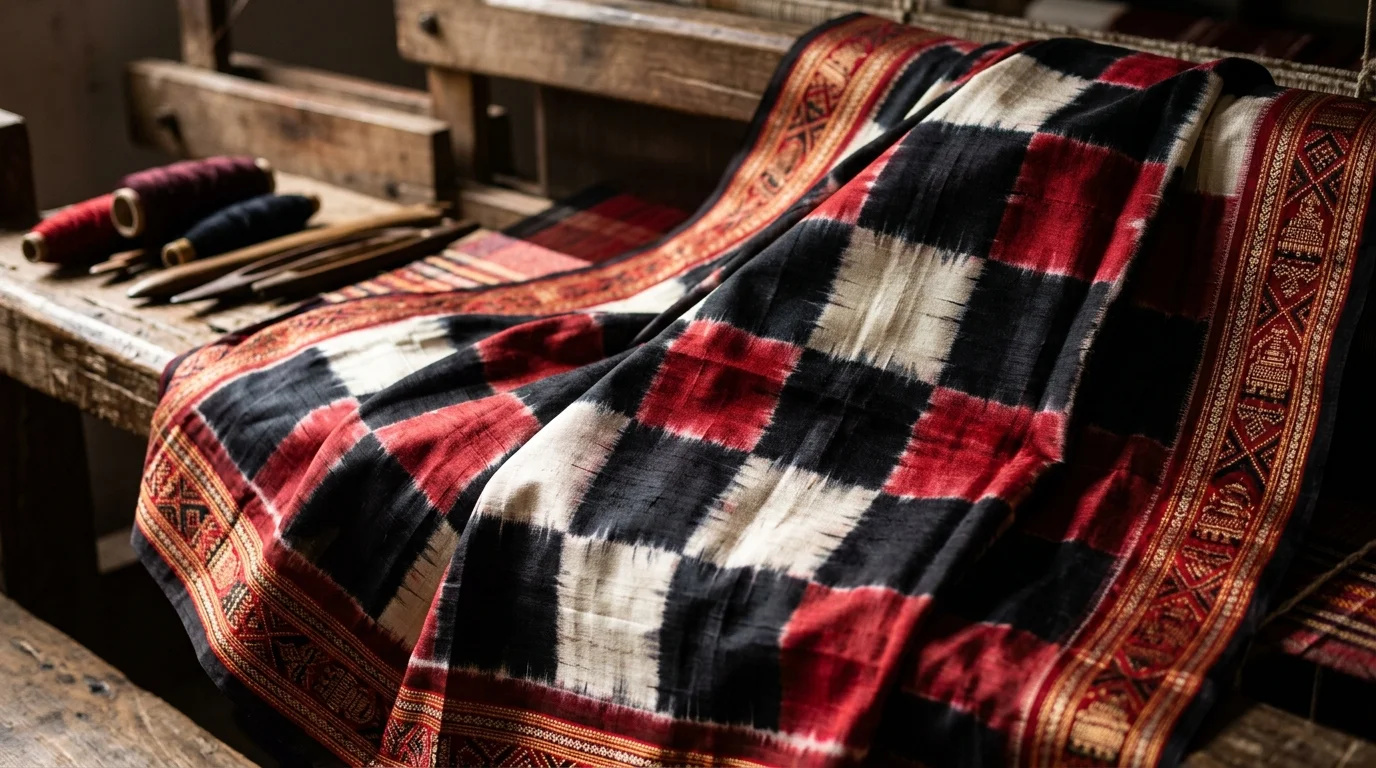
1. The Golden Rules of Storing Pure Silk
- Wrap in Pure Breathable Muslin or Cotton: Never store your silk sarees in clear plastic or PVC zip pouches. Plastic traps ambient humidity, causing the natural protein fibers to suffocate, turn brittle, and develop mildew. Wrap each saree individually in unbleached white muslin (Malmal) cloth or pure cotton saree bags.
- Avoid Metal Hangers: Never hang heavyweight silk sarees on wire or metal hangers for extended periods. The sheer weight of pure mulberry silk pulls on the warp threads, causing the fabric to stretch and warp along the shoulders. Always store them flat.
- The 3-Month Refolding Ritual: Silk fibers have a natural "memory." If a saree stays folded along the exact same lines in a dark wardrobe for two years, the sharp creases can develop micro-tears. Take your sarees out every 3 to 4 months, air them in a shaded, well-ventilated room for a few hours, and refold them along fresh lines.
- Natural Pest Protection: Never place naphthalene balls or chemical camphor tablets directly in contact with silk or zari—their chemical gases react with metallic threads, causing them to turn black. Instead, place dried neem leaves or cloves in small muslin pouches inside your wardrobe drawers.
2. Washing: When to Dry Clean & How to Spot Clean
Crucial First-Wash Rule:
For the first 2 to 3 washes, always entrust luxury silk handlooms (especially sarees with contrast borders and heavy zari) to a reputable professional dry cleaner.
If hand-washing lightweight or non-zari handloom silk at home:
- Use cold water and a specialized neutral-pH liquid silk wash (never use standard chemical laundry powders or bleach).
- Dip the saree gently without scrubbing, twisting, or wringing.
- Never dry silk under direct, harsh sunlight, which fades natural vegetable and azo-free dyes. Dry flat in an airy, shaded balcony.
3. Ironing & Preserving Metallic Zari
Always iron your silk saree on the reverse side using low to medium heat settings. To protect delicate zari embroidery and tissue borders, place a thin, clean cotton handkerchief or press cloth between the hot iron and the silk. Never spray water directly from a steam iron onto silk, as water droplets can leave stubborn mineral water rings.
Discover Authentic Heirloom Handlooms
Every saree crafted at Utkal Aditri is woven from 100% pure natural silk, certified with the Silk Mark of India to ensure an enduring legacy for your family.
Explore Pure Silk Sarees